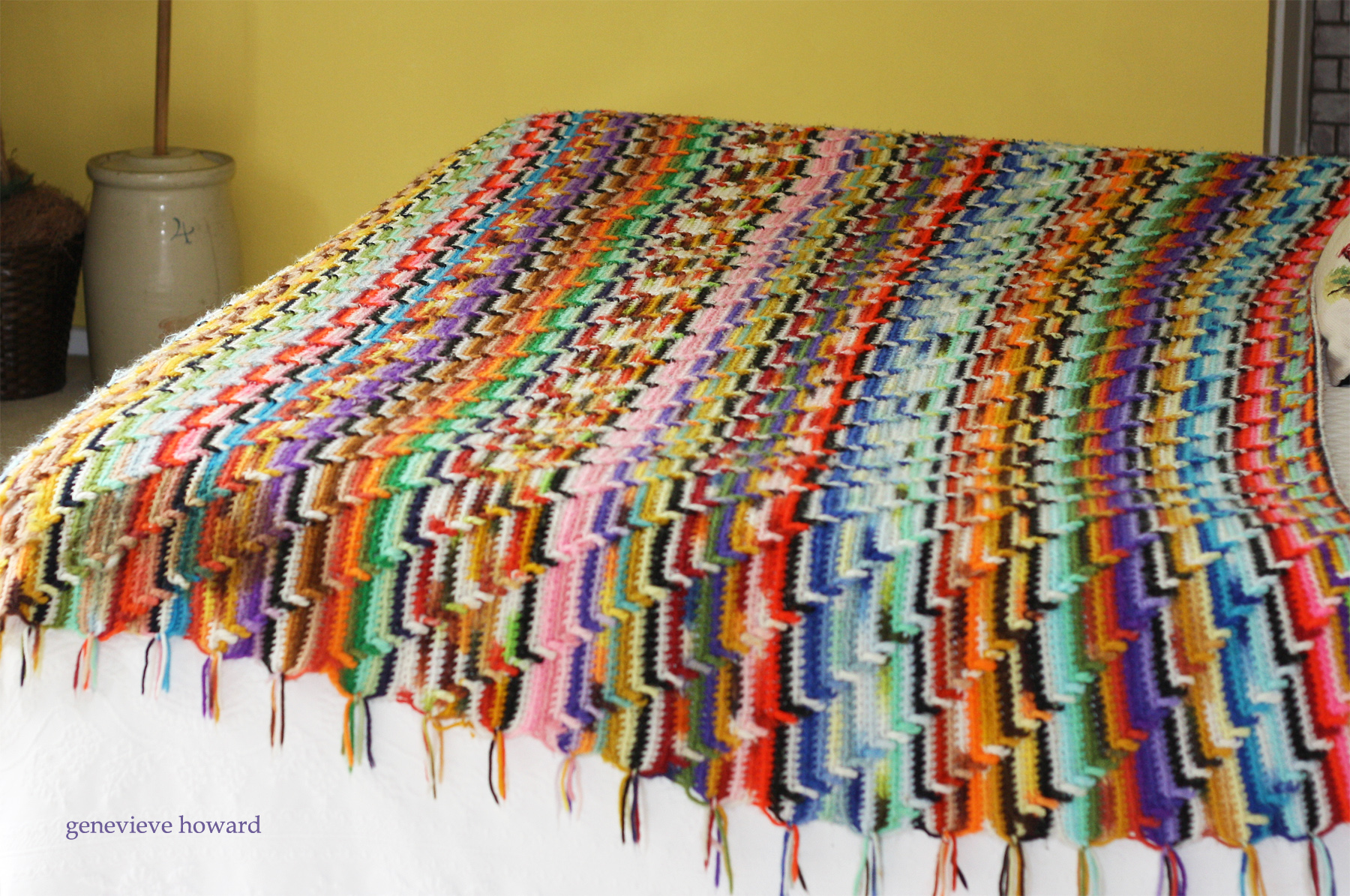
I saw this afghan while visiting my dad. It was the afghan of my childhood, thrown over the back of the couch or folded in the corner, biding its time for winter when it would be used again.
The colors jump out in vibrant combinations. A saturated holiday red with neon orange, mustard yellow and purple, tawny brown, baby pink, true black and icy white, snuggling together for a fantastic effect. The acrylic yarn—showing its origin of the 1960s—reflects a sensibility that cannot be found now.
I didn’t think anything of the afghan growing up. It had use but no particular value. It was one of thousands of items that filled our house, just one more thing in the living room, like my Atari. I didn’t question why the afghan was there or who had made it.
Then almost 30 years later, I saw it again on the back of my dad’s couch. Its outrageous colors caught my attention.
“The afghan!” I exclaimed as if running into an old friend. The 1960s cheap acrylic was tough enough to survive the decades.
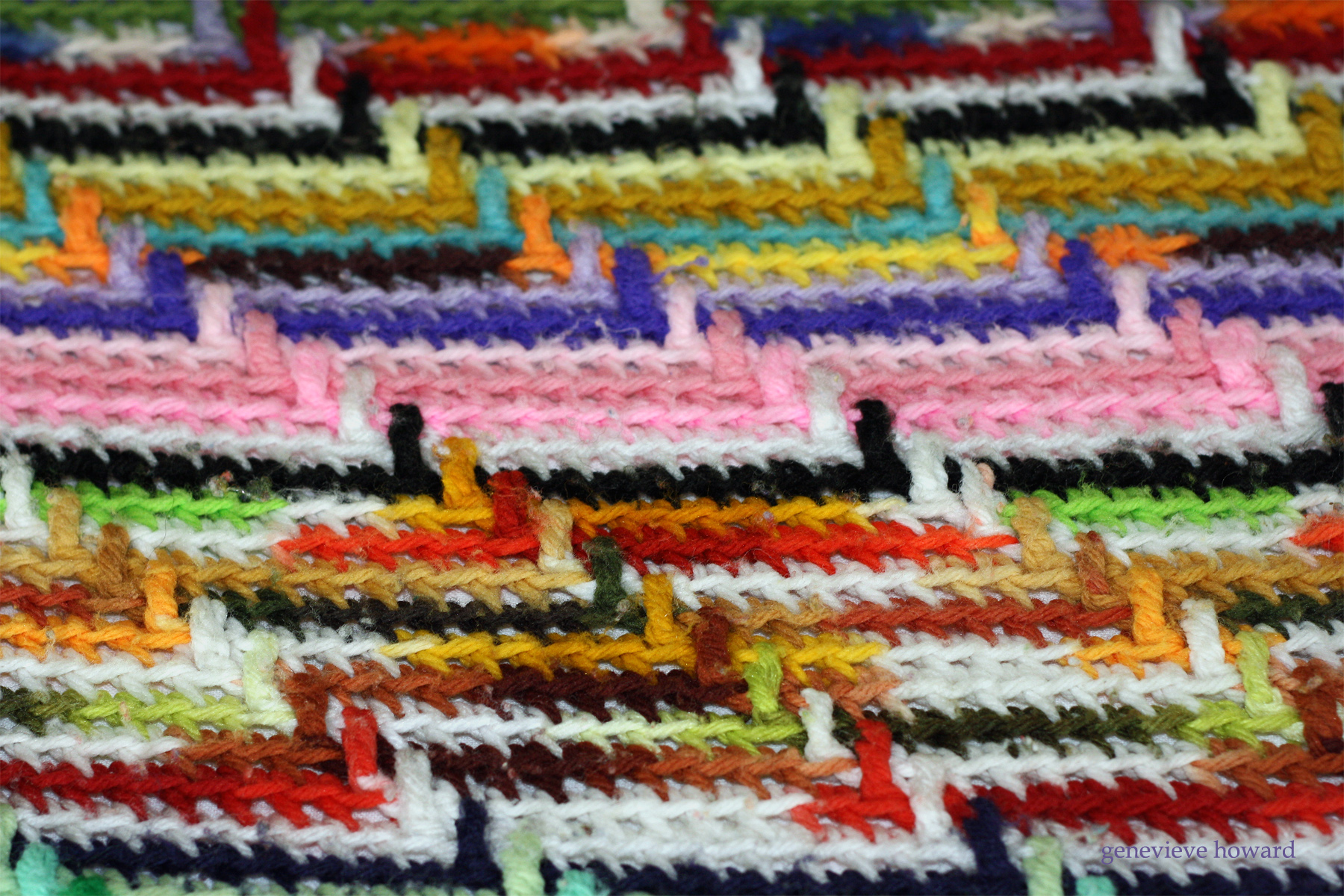
I stretched it out to look at the stitches. Now that I crochet, I know more. I interpret the language of loops and understand hours of handwork. At first glance, I thought she had made spike stitches. When I looked at the back, I saw it was smooth. I realized she had done front post stitches, raised only on the front.
I counted and made note: 10 sc, 1 FP sc, staggering the raised front post stitch by one with each row. I saw the afghan with new respect.
Large enough to drape over a queen-size bed, I wondered about its maker. I asked my dad and he thought it had been one of his aunts, maybe his Aunt Cena.
Was she at peace when she made it? Was she content to crochet along, making thousands of stitches?
Later I talked to my sister who also had a family afghan of the same vintage. She told me the yarn wasn’t from many scraps, using up leftover skeins as I had imagined but instead from fanciful skeins sold in the 60s, the variegated colors ready-made. She named off my grandmother’s siblings. She believed our Great-Aunt Grace—a sister by marriage—made the afghans.
I know little of my family history. I have no family afghan. But I’m bound to all those who care and have cared enough to create. Items carry our spirit if not our name.
Grace—shown through generosity—makes each afghan. Even the strongest acrylic yarn will fade and disintegrate but grace goes on forever.
Grace is always around, like a family afghan. Not always noticed or appreciated but waiting for you. Find it. Wrap it around yourself. It will warm you, shape you and bless you, if you let it.
You probably can’t predict when the reversal happens. I only realized it this week, after 44 years. The moment came when I was the one to worry about my father instead of just him worrying about me.
My father and I went out for a walk in his neighborhood to water plants for a friend who was away. As twilight fell, pastels spilled over the sky. The lake mirrored the dusky pinks and purples so we were awash in color as we strolled the half-mile distance to the neighbor’s house.
The path next to the lake was smooth with even, dark asphalt. His black-and-white dog sniffed and trotted by our side. She was not a puller. She gave him no trouble. Midway, I took her leash and it felt easy in my hands, as if I were just carrying a leash.
We crossed the road to walk up six blocks to the house where the thirsty plants waited. Cars started to use their headlights. Porch lights and street lights flickered on. We were almost to the house.
Once we arrived, he turned on the house and showered each plant in order. Marigolds, hanging plants, pansies, tomatoes. Each one got a drink. He looked at each plant as he watered it, letting the liquid soak into the soil.
There was no hurry in him. He focused and stayed quiet, moving from one to the next. He worked as if he had all the time in the world to care for this garden.
Once he finished, we decided to walk back through the neighborhood instead of walking down to the path by the lake. The sunset colors were gone. Every car had headlights on.
I listened to my dad’s footsteps. Worry gripped me. I saw uneven edges to the concrete sidewalk that could catch his feet. I noticed snake-like branches strewn about as tripping hazards. The curb seemed too high for comfortable stepping when we crossed streets. Grass patches threatened to be slippery.
***********
It was not always this way.
At 6’2”, he was a man others looked up to. He built a career that took him around the world from modest beginnings. His own father—my grandfather—had gone as far as 8th grade. My father hoped to finish high school and perhaps become a carpenter. A child of the Depression, he wasn’t afraid of hard work. He started delivering papers at age 11. Almost everyone took the paper in the 1940s. Then he worked as a brick layer and saved enough to buy his own car at 16.
He took a test in high school. Because of his test results, two people came from the school to his house. They told his parents—my grandparents—that he needed to go to college. He was too smart not to. My grandparents said OK and my dad enrolled at UCLA. Those two people—whose names we don’t remember—redefined his life.
After completing his engineering degree, he applied his intelligence to the world of work with a flourish. He holds about a dozen patents. During the years I was growing up, he was an executive.
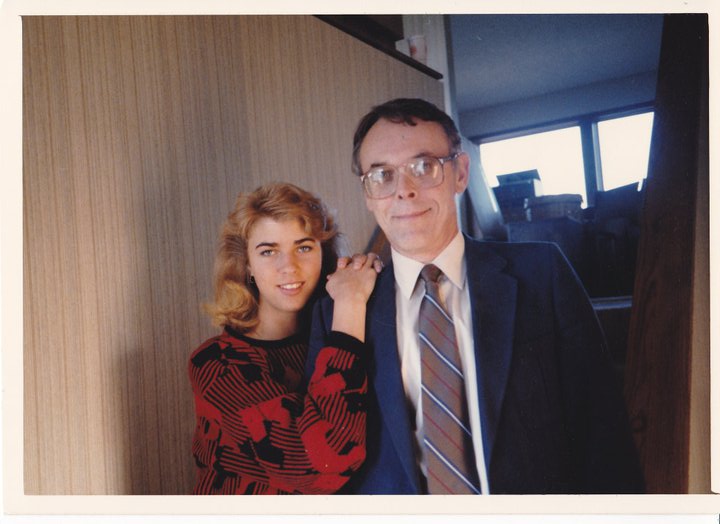
In tailored suits and Italian shoes, he stood tall and strode with large steps. He took care of our finances and arranged multiple moves across the country when his work brought us to a new place. I was used to him being in charge. He was the most powerful person I knew.
Yet I doubt if he felt as powerful as he seemed. We’re hierarchical creatures, prone to look toward our superiors. Even as vice president of a company, he kept his eye on the president, board of directors and stockholders who wielded power over him.
I know he underestimated his effect on me. He had no idea that his influence was like the sun. I grew larger in his attention and wilted in its absence. Neither of us understood how much I needed him.
***********
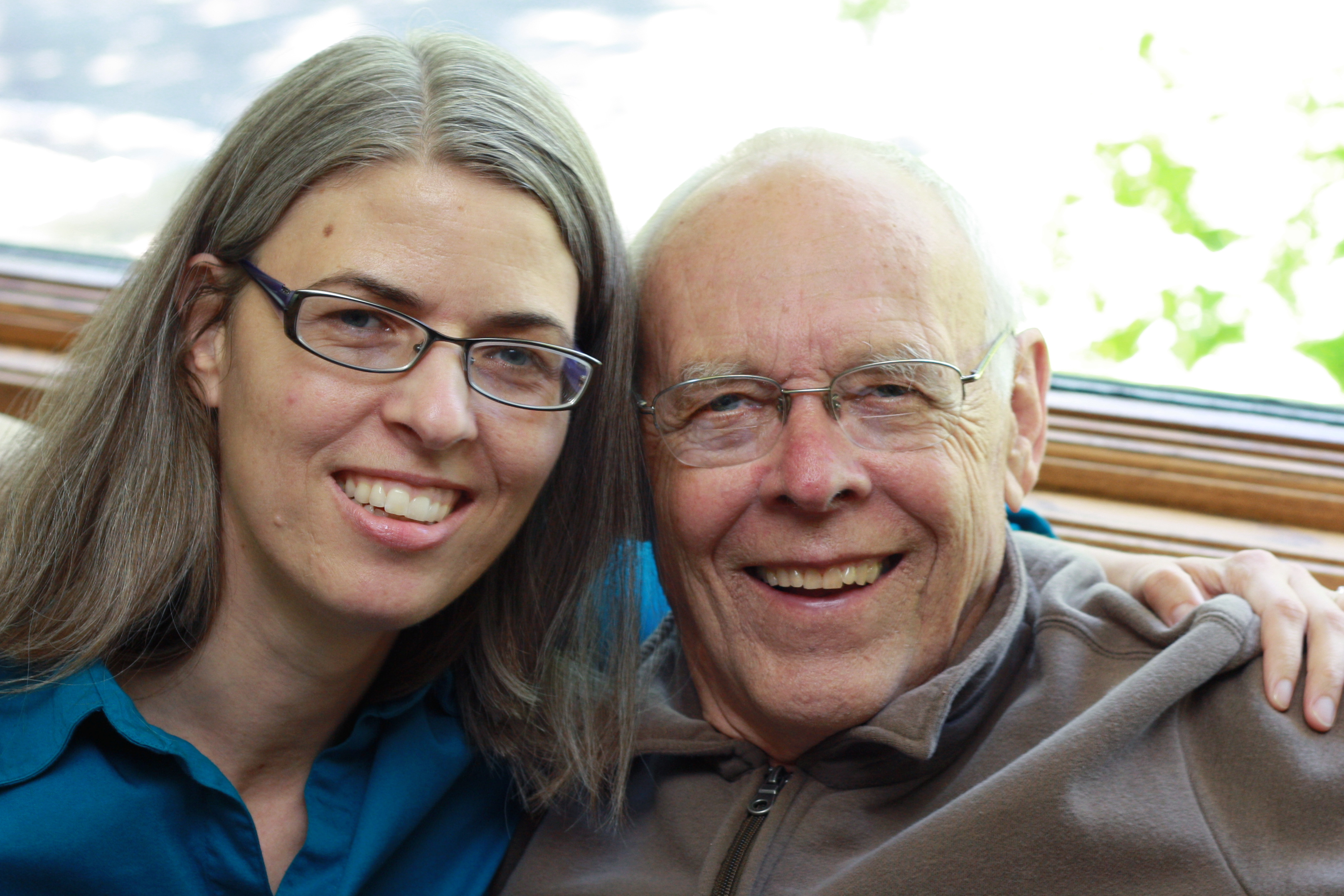
It has only been the past 15 years that I have been able to see him for all that he is. He smiles and tells me how proud he is of me and his grandson.
Retirement has been good to him. Away from the pressures of rushing to catch planes and make meetings, he relaxes in the glider by the sliding glass door. He soaks in contentment. The sunlight drenches him while he sits, gliding forward and back, the lap blanket I crocheted for him on his legs.
A newspaper rests on the ground around him in sections. “This paper keeps getting thinner,” he says. But it doesn’t seem like he minds it. He accepts it as he accepts all the happenings of the world and in his body, including an inevitable skeletal shrinking. Now he grazes the 6-foot mark.
With every passing year, he becomes part of a rarer group, those who have seen more than eight decades.
Most of his friends are in their 80s like him so it’s getting harder to socialize. Some can’t make it up the stairs. Some are too ill to go out. Some struggle with dementia, day after day fading away from their own stories. About one friend, my dad says, “He used to be so witty. He used to make us laugh every time we saw him.”
That’s gone. Like the strength of youth we don’t know we have and vigorous relationships that feed us like thick oak tree roots.
With so many decades on earth, it gets harder to find the threads of thoughts and follow the strands of deep conversations. A quiet sets in.
“My mind isn’t what it used to be,” he says.
“Are you at peace with that?” I ask.
“Yes. I’ve had a good life. I accept that this is what it is to get old.”
***********
As we walk, I hear his breathing. The night announces itself and makes it known that the sun has left. My worry grows to uncomfortable proportions. I wonder how far away home is.
I take his arm to steady myself in my worry more than he needs me to take it. I want to be there in case of unforgiving sidewalks, slick grass and tricky sticks lying in wait to trip a gentle soul.
How much I wish I could always be there, at his side to defend against the ever changing world. It speeds up. Fat buildings crowd in against one another while the newspaper gets thinner.
We walk toward the house. I recognize the block and know we’ll see his yellow porch light soon to draw us near.
I can’t always walk with him. I have to go back to my own life of rushing and meetings. As I hold his arm and we walk toward home, I pray,
God bless this man, my father.
Keep him safe on his path.
Give him clarity and joy.
And if he must walk a difficult path,
give him strength.
And if he must face a blurry time of
fading,
give him peace.
God bless this man, my father.
May he know that his true home
is in my heart.
Good news! I reached my 10,000 words goal for July. I want to thank you for urging me on. Whether it’s a public comment on this blog or Facebook, a private comment or a quick word just mentioning that you got something out of my writing, you make this journey worthwhile. Your thoughts matter to me!
I thought it would be perfect to post this excerpt about turning 21 since this is the week of my 44th birthday. Enjoy!
**********************
Turning 21
The morning of my 21st birthday I woke up and looked out the sliding glass door that served as one of the walls of my room. Outside on the bench sat a mango.
It’s a mango from God! I thought. I slid open the door and held it in my hand.
The green fruit blushed with red on one of its curved sides. It gave ever so slightly as I pressed it. I knew it would be ripe and sweet.
In my first moments of being 21, I was happy.
I came to mangoes when I came to Santa Cruz. The view of my first mango at age 19 seemed unremarkable. Warren handed me the fruit. I held the green bulbous thing with a questioning look.
“It’s a mango,” he said. “Have you ever had one before?”
I shook my head no. Warren took the mango back and brought it into his kitchen. On the tile counter, he cut off one side of it and handed it back to me.
“Eat the yellow part.”
I bit in. The rich juice tasted of islands and sunshine. It covered my tongue with tangy sweetness, like an apricot and pineapple mixed together.
“Do you like it?”
“I think this is my new favorite fruit!”
From then on, I kept an eye out for mangoes in the market. In May, they dropped down to less than a dollar a mango and I gorged myself.
Warren said that you can’t waste a mango. You have to eat all the flesh. His family had a house in Jamaica with a mango tree.
“Even if all the mangoes on your tree ripen at the same time, you can’t waste it.”
I called the inner seed the bone and chewed all the fruit off until it was stripped of any goodness and left with frayed ends. The fibers stuck in my teeth. A mango made me appreciate floss.
There are some foods that are happy foods for me. I don’t remember any sad times eating them. Ice cream, popcorn and mangoes.
Later in the day on my 21st birthday, I found out Warren had left the mango for me, early in the morning before sunrise. I still believed it was from God. I was starting to understand that God worked through people.
When it rained, I took the bus instead of my motorcycle. By bus, I mean buses. I walked two and a half miles from the bus I called home to the Lompico bus stop. I took the Lompico bus to Felton. From Felton, I took the bus to the metro, the main station in Santa Cruz. From there, I could go anywhere.
The bus back from Cabrillo College where I took general ed and a poetry class (and an English class with lamps) was a slow ride. It seemed to stop every block. People would attach and detach their bikes from the front rack as if they had the whole afternoon free instead of a bus load of impatient passengers sending them hurry-up glares.
While taking the bus back from Cabrillo and heading to work in Scotts Valley, a tall man with a briefcase got on the bus and sat next to me. Uncommonly handsome with mussed dark hair and blue eyes, he had the look of someone who was used to getting attention. He seemed comfortable with admiration.
He opened the briefcase. I peered in. Inside he had a square bottle of thick mango juice and a stack of blue fliers, hand drawn with a Sharpie pen and photocopied. I wanted to talk to him.
I ran over possible lines in my head. Your mango juice might spill. No, too negative. Don’t see a lot of guys with briefcases on the bus. How was that a good thing to say? I settled on this: “What are the fliers for?”
He handed me one. “I’m in a band. We’re having a show tonight. Want to come?”
“I don’t know.” I hesitated but I was tempted.
“I could put you on the guest list.”
I longed to be known. I longed to be wanted. Being put on the guest list satisfied both longings. I was in.
“OK, I’ll come check it out.”
I spelled out my name for him. He wrote it down on the back of a blue flyer. He said it was a pretty name. He took care to tuck the flyer with my name on it in one of the inner silky pockets and closed the briefcase. His was the next stop. Uncurling his length toward the bus ceiling, he stood to go. He gave me a gargoyle’s smile as he shook my hand and told me he’d see me later that night.
It had been just a bus ride before the man with the briefcase boarded. Then it became an adventure.
***
The show was in a café that was seedy and charming, heavy on the seedy. The front door was kept open to the night air. It took a moment to orient myself to the atmosphere when I first got near the café. It was a world unto itself with its own smell, sound, look and culture. I could smell it and hear it before I could see it. French roast wafted out to mingle with the ocean air that carried strains of music, conversation and clinking dishes.
The café faced the metro station and the buses motored by at regular intervals. Next to the café, a whirring machine blew bubbles into the darkness. They rose, shining with tiny orangey reflections from the orangey street lights.
The café cockroaches knew martial arts and took no guff from the patrons. They sauntered over the floor during business hours without fear.
They didn’t matter much. It was so dark inside that it was hard to distinguish the cockroaches from the years of coffee stains and gunk built up in layers on the floor, like levels of civilization that an archaeologist could read in the future: We can tell that in 1988, someone spilled their soy latte here in this area. Then later in the afternoon, a vial of patchouli broke when a girl dropped her Guatemalan woven bag under the table.
I was peeling my Doc Martins from the sticky surface more than walking.
I walked through the front part of the café where the espresso machine hissed. Cool people draped themselves over furniture that had seen its heyday decades before. None of the tables matched and the chairs were metal folding chairs with different patterns of rust spots as if they’d been pulled from a soggy dumpster. Which they probably were.
I walked to the back room where the shows were. A big-bellied guy with a ZZ Top beard sat on a stool, a silver chain swinging from his wallet when he moved. He held a stack of money on top of a clip board.
“I’m on the guest list,” I yelled. “Genevieve.”
He looked at the clipboard and thumbed his way toward the room.
“OK, enjoy the show.”
My first time on a guest list, I felt like a mini-celebrity. I pulled my shoulders back as I entered the room. Once in, I scanned for a familiar face. I didn’t see anyone I knew so I joined the crowd standing around the stage.
The opening band was long on enthusiasm. Their vigorous playing only made up part of the gap between reality and talent.
I listened with a waiting ear. It wasn’t the music I wanted to hear. I wanted to hear him, the mysterious stranger with the briefcase from the bus. Would he be guttural, crooning or falsetto? Would he see me?
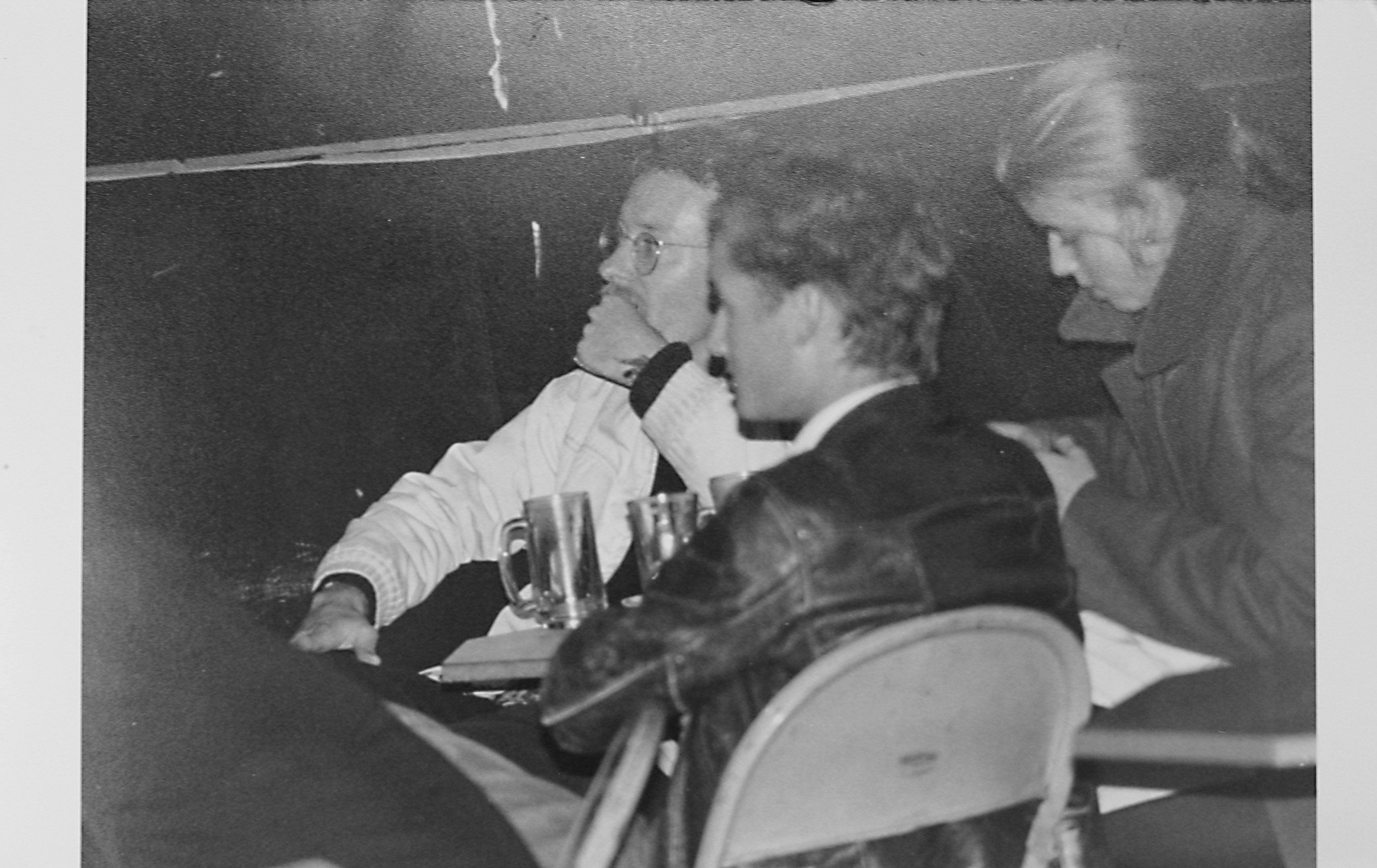
His flyer campaign and personal charisma had paid off. The room was full. Leather jackets dominated the dress code, with thrift store finds coming in a close second.
The walls showed art from a local artist. By local artist, I mean, one of the majority of the population. You couldn’t throw a rock in Santa Cruz without hitting an artist. The art was done in a neon cartoon style but with a gruesome subject matter. It might have been an ironic rebuttal to the ever present fact of mortality. Or it might have been the Technicolor vomit from a sick mind on drugs. Like the crowd and the decor, it was a mixed message and difficult to decipher.
Soon enough the group with the robust lust for performing was off the stage and his group was on.
His presence dominated the room. Screams replaced the polite clapping that the first group received.
I stood enraptured. With my youth, my impressionable nature and my ability to glom on, I was primed to be a groupie. He sang love songs and I took them personally. Did he see me? I pretended he did. I imagined he could see only me. The crowd blurred away. It was only me standing below and him, above on the stage.
The last song of the set was a cover of Lights by Journey. A blue spotlight lit his face and hair. It shone off him in a holy glow. His voice, sonorous and smooth, filled me with longing.
I had found my charmer. I swayed in fascination, a cobra transfixed. He held the mic in both hands, closing his eyes and telling about how he wanted to be back in the city. I started to miss home myself. Home as I had never known. Home as I could never find. I felt a melancholy so massive that it filled my mouth, like icing that is too heavy but still sweet.
I stood in a transcendent moment, pulsing with joy and connection, filth and shabbiness, beauty and harmony, sorrow and homesickness.
He found me after the show. I was standing to the side and he came up, sweaty with his eyes shining.
“Hey, it’s the girl from the bus. You came! How did you like it?”
“Wow, you’re amazing.” I looked up at him and could almost imagine him still haloed with a blue glow. I was star struck.
“We’re having a party at my house. It’s off Mission Street. Want to come?”
Me invited to his place! My stomach twirled as if my gut had a hamster running in a wheel. I managed an answer, “Yeah, that sounds good.”
“OK, see you there.”
He snaked his way through the crowd. I peeled my boots all the way outside but I hardly noticed. In my mind, I was flying.
***
A guest list. A rock show. A party. What more would come out of this bus ride?
Me in the bus with my friend Pokey. You can see the blue captain’s chair behind me.
I returned from Europe and moved to Santa Cruz, California, in 1988 where I could rent my brother’s school bus as a place to live. I was nineteen.
The school bus was a model from the late 1960s. The seats were taken out and the inside was redone with shelves and a counter. A blue captain’s chair toward the back offered seating.
I went in and out of the bus through the emergency door at the back of the bus. It served as my front door. When I opened the door, a whiff of kerosene and storage shed smell greeted me, with a top note of dank mold.
The bus was parked in the Santa Cruz mountains, in an area called Lompico.
Mountains are known for being slanted. The mountain this bus was parked on was no exception. The back of the bus was the lowest part. The bus slanted upward toward the front. When I say I climbed through the back of the bus, I really did need to climb.
I didn’t much use the front of the bus because it was filled with my brother’s storage. He had boxes stacked up thick so it was impossible to get up where the driver’s seat was.
The bus came with electricity, supplied from a very long orange extension cord running from the house. I had to chose what I wanted to plug in because it only had two slots.
I could have my lamp on and my music, an 8-track player. Or I could have my typewriter and my lamp.
For music, I had two 8-tracks. One was Simon and Garfunkel, the other was the soundtrack to A Clockwork Orange.
I had a rule about dancing in the bus. Whenever Cecelia came on the 8-track player, it was time to dance. It didn’t matter who was over, or if I was by myself. That song was a cue to get up and dance.
I developed a dance style unique to the bus. Because I was a six-foot-tall woman and the bus roof was six feet high, I could only stand and dance with my knees bent and my feet spread.
For heat, I used a kerosene heater. Even when the heater wasn’t burning, the bus smelled of kerosene.
My “I live in a bus” fashion style.
My bed was on the roof of the bus. A hole had been cut in the roof and a small structure, just large enough for a queen-size mattress, was built out of fiberglass and plywood.
I didn’t have an actual mattress. I had an old four-inch thick piece of foam with a large piece of brown fake fur on top to use as a bed. The foam had seen better days. Possibly in the 1970s. It had gone from being soft to being hard and crumbly. The foam crumbs stuck in the long brown fur of my bed and in my hair.
My process for going to bed was simple. I twisted the wick on the kerosene heater until the flame went out. I turned off the lamp.
There was no ladder to get up on the top level. I put a wooden crate on its small end so I had the maximum height from the crate. I stood up on the top of the crate so my hands could reach the metal rooftop.
Then I jumped off the top of the crate to get enough momentum to push myself up to the top of the bus roof and crawled on top of the fur-foam bed. The structure was three feet high, so I couldn’t sit up. I had to stay low.
In the morning, I repeated the process, dangling over the sharp metal roof edge until my feet found the top of the crate.
The worst was when a vigorous jump at night toppled the crate over. It meant a morning drop where I tried to land on my feet without getting caught on the fallen over wooden crate.
I often slept in my clothes. The damp cold that settled in the redwoods surrounding the bus pervaded the metal bus skin, plywood and fiberglass.
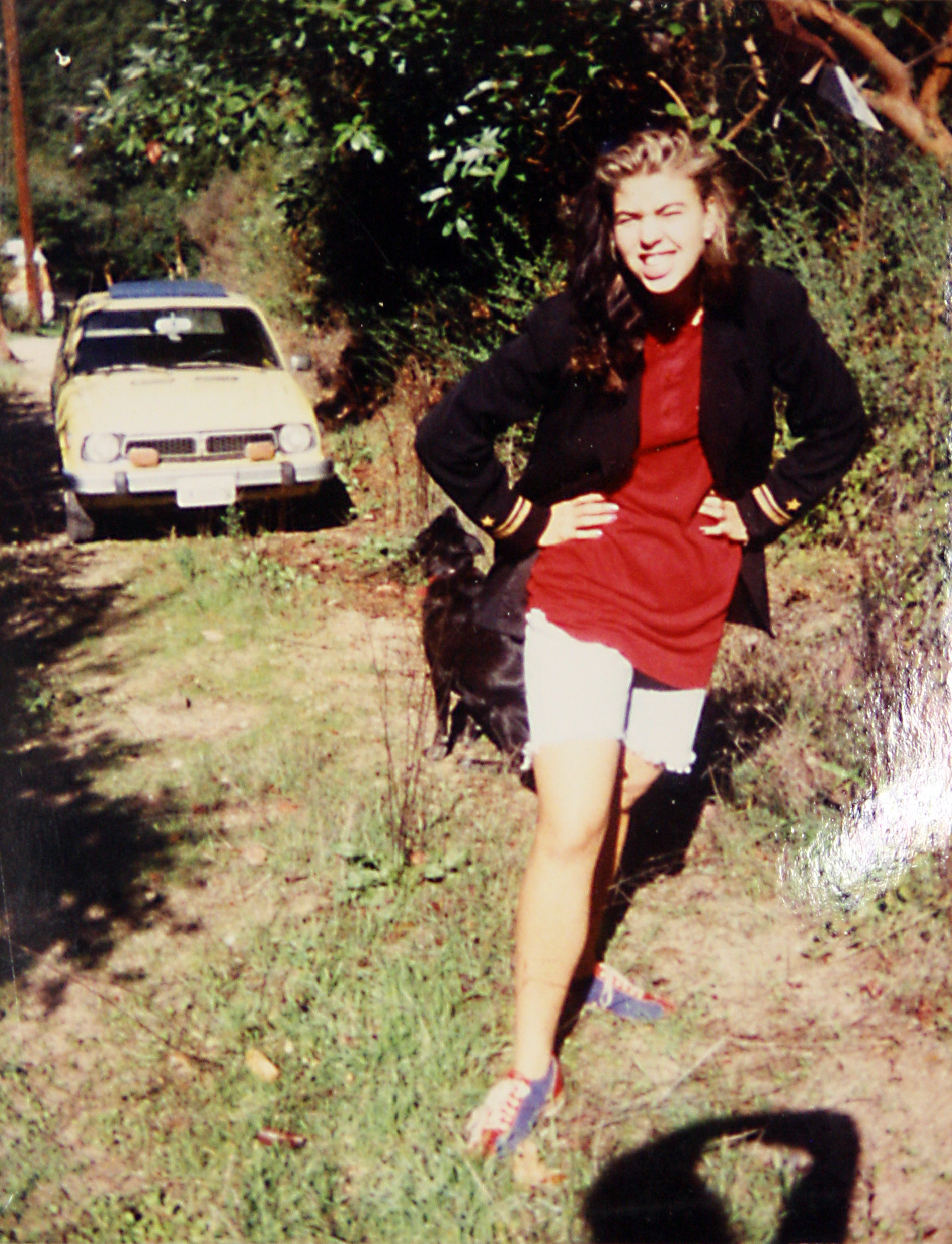
I dressed in layers and usually in black. A typical outfit would be black leggings, a black skirt, a purple tank top and a ribbed black wool sweater with black suede on the shoulders. For shoes, I had black wingtips.
I was growing my hair, still black from London, from a bob to past my shoulders. I often got twigs caught in it. It suited my style as a woman who lived in a bus in the Santa Cruz mountains.
I’m putting my writing hours into the memoir so this month I’ll post raw excerpts from what I write. We’ll return to our regular blog posts in August.
Today’s excerpt is from high school, not the happiest of times for me, as you’ll see. I welcome your feedback and appreciate your support! Thank you for hanging with me as I tell my story—sad, ugly and trying as it was at times.
Broken hand to pray with (excerpt six)
High School Christians
There were those in high school who wore clean clothes and started a bible study group together. They stood smooth and uptight. They wrote one another notes with bible verses and words of encouragement. They went on mission trips that seemed like glorified vacations where they could bulk up their do-gooder resumes.
I was not part of this group.
Their problems seemed trivial to me, something to confess to one another as weakness but nothing too gritty or scary. This one had argued with her sister. Another envied her friend’s car.
“We’re all sinners,” they said but in the way that left no doubt that some–like me–had more sinnerness than others.
Their saccharin attitudes alarmed me.
Christians, I decided, were fake, sugary mouth-talkers. They acted earnest but were meaner and more judgmental than anyone. They made it clear that they knew who was saved and who was going to hell. By an amazing coincidence or convenience, they were the ones who were saved. Their teaching about loving your neighbor seemed conditional. Love your neighbor unless she is too weird, slutty or badly dressed to be loved. In that case, talk about her.
They smiled as they took out their words to cut people down to size. They looked down on me, living in sin with a boy, and gossiped about our relationship.
“They’re fornicators,” one said in a whisper to the other when my boyfriend and I walked by hand-in-hand. Then she looked up and caught my eye. “Hi!” she said with a bright smile and embarrassed look.
Go fornicate yourself, I thought.
I felt outside of them.
I would never be so clean. I would never fawn over my daddy and want to be like my mom. I wouldn’t know when was the right time to wear white shoes.
I would never belong. I would never feel so sure of my place as God’s favorite, so secure in my supremacy.
They seemed to own God, part of a group who lived in an illusion, the Youthful Christian Club where I wasn’t welcome. They shook their head when they looked at me.
I answered their disapproval with tighter clothes and deepened my kisses with my boyfriend in the hallway. I pressed my tall litheness on his long muscular form against the lockers. I kissed him hard to dismay the Christians and their prissy sensibilities.
Even with my eyes closed, I could hear them tutting as they walked by.
Pleasure, distraction and obsession became my religion. My only focus was my boyfriend and how I could keep him. I was possessive, jealous and crazy. Trying to tame the violence and lust of a strong eighteen-year-old boy was a full-time occupation. I was crushed when he flirted with other girls and furious when he passed out in the afternoon from too much mid-day partying.
His temper made holes in the walls where he punched next to my face. Flecks of drywall scattered through my permed blond hair. I swore I would end it the next time he punched me or kicked me. Yet each time it happened, I felt I deserved it.
How could I live without him? I didn’t want to live alone. I couldn’t live alone. I could barely live.
It was hard to breathe.
Every day was chaos.
In the swirl of drugs, liquor and an abusive relationship, I continued to live on my own, go to high school and work at my job. I consider this fact proof of God’s grace in my life despite my lack of membership to any visible group of Christians.
I didn’t die. No matter how bruised, bloated and bewildered I was, by God’s grace I kept going.
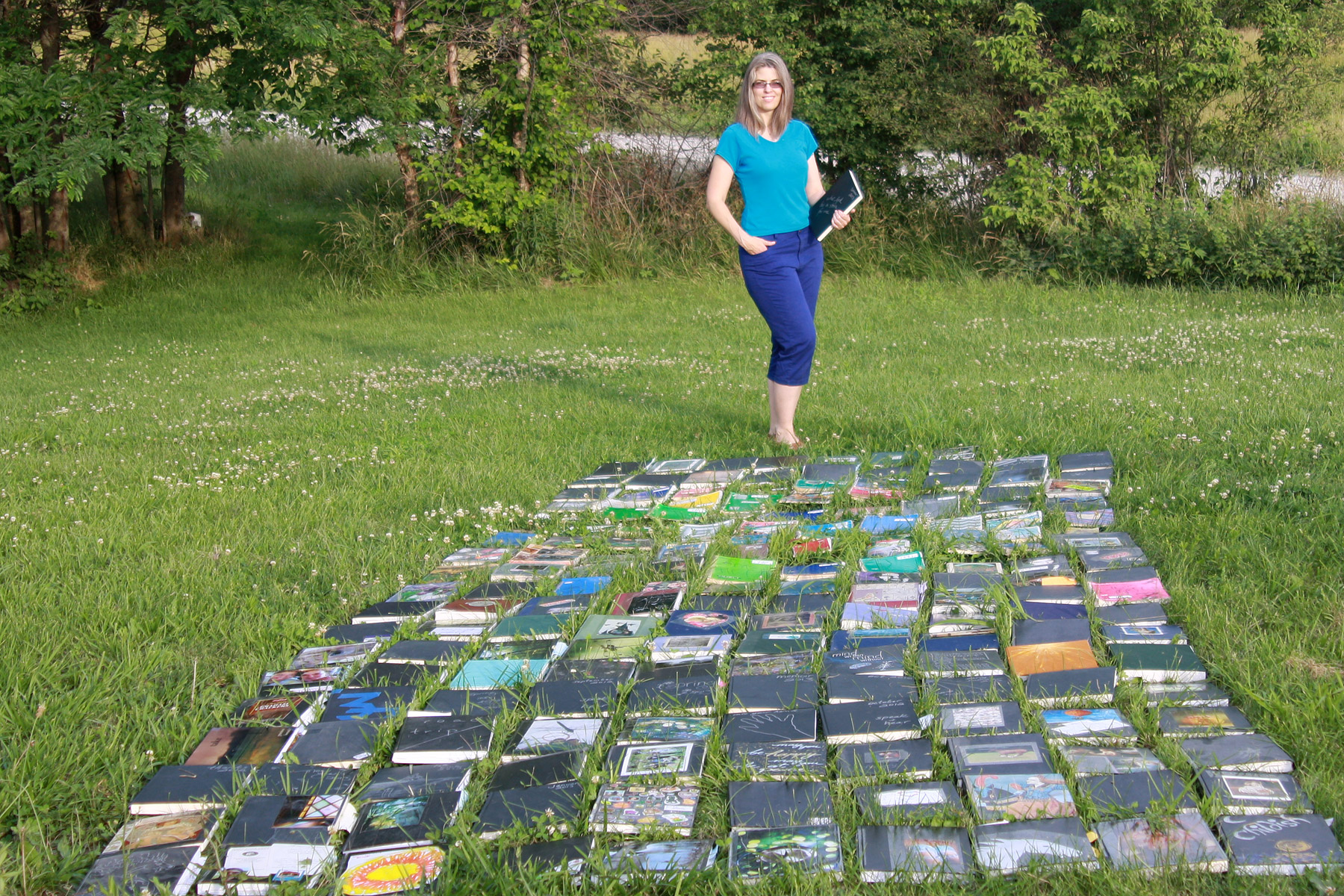
Friends ask why I write and my short answer is, “Because I have to.”
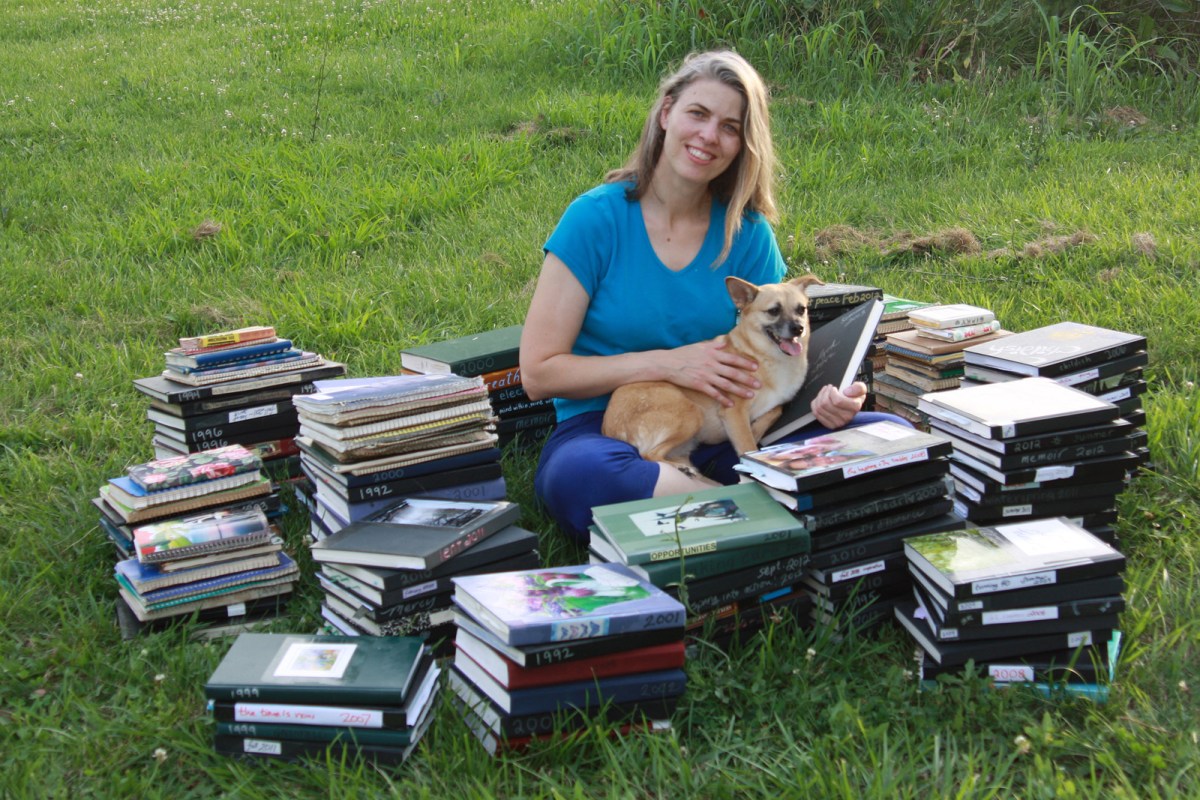
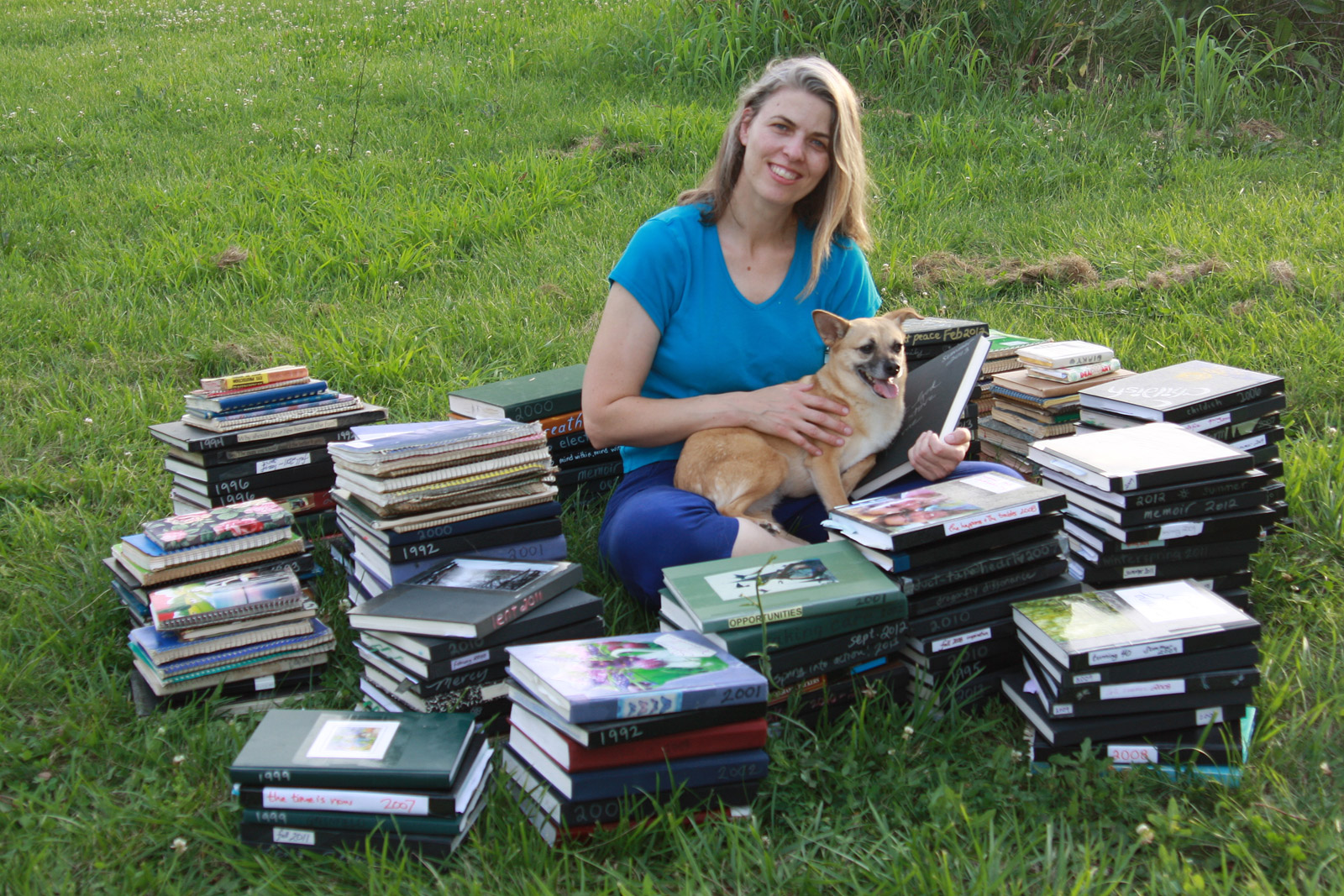
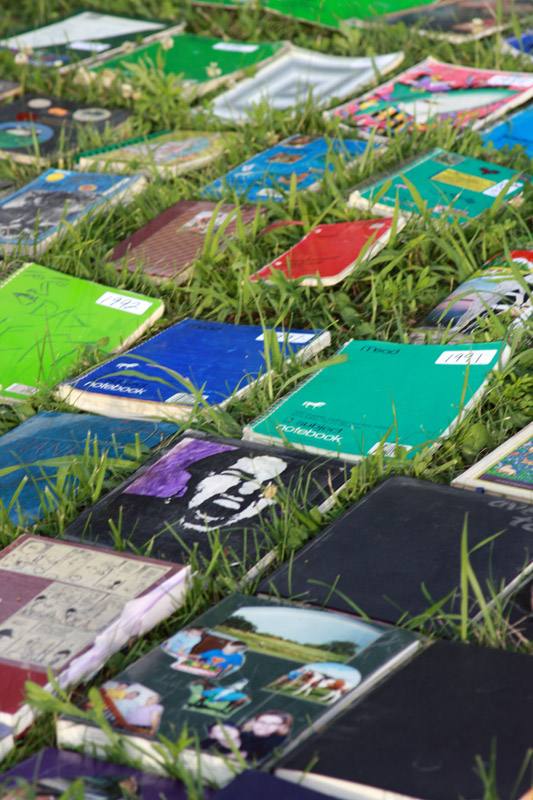
I’m on my 190th journal now.
My journals are white fields where my mind can gallop until I’m exhausted and ready to rest. I write as fast as I can to get all the thoughts out. As written words, they look more harmless that they seemed swirling in my head. I write as a way to find peace in the midst of so much mental activity.
My journals are whale baleen that take in mouthfuls of life and sift out phrases that grow into poems. I find one line I like out of many pages and write from there. I write to create.
My journals are a grand junkyard where I dump all my worries. Later I wander through. I find insight, treasure…and useless fragments. The journals are my own personal Antiques Roadshow. I write as a way to gain perspective.
My journals are one long prayer to God. I write as a spiritual discipline.
If you keep a journal, I’m glad! Let me know about your experience in the comments. If you want to start a journal, go for it! Find the time that works for you. For me, I write in the evening before bed. My sister’s writing time is in the morning. What matters is that you make the habit. If you start a journal and then stop, that’s OK. Your journal entries will accumulate over your lifetime. Even if you only write once a year, you and your loved ones will be glad for a glimpse of you through time.
Next month, I’ll be part of Camp Nano, adding 10,000 more words to my memoir. If you’d like to sign up, there’s still time. You’ll see my excerpts in July and then we’ll return to regular blog posts in August.
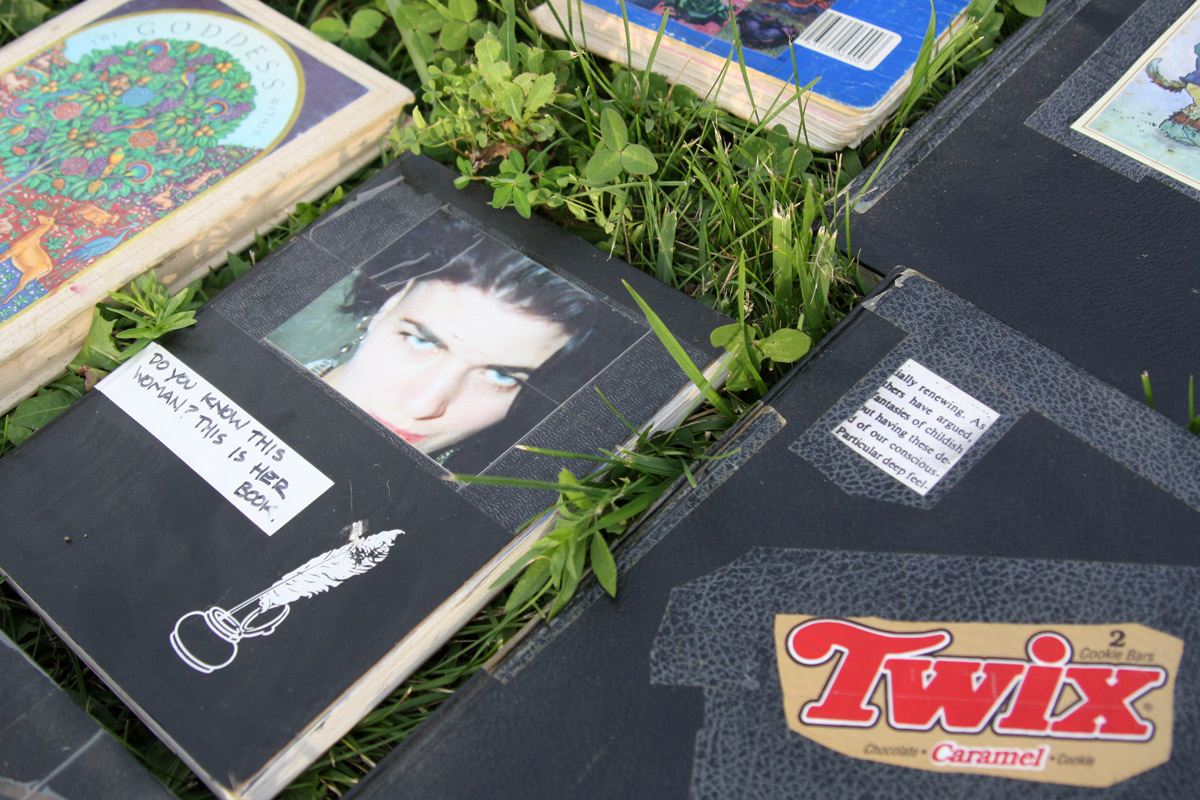
Here is a look back through my life, as seen through six of my journals. Enjoy!
Jan. 21, 1988, age 18
I’m really happy about my French lecture test grade. I think it’s good to push myself. I can do more and I know it. I like being here [at the University of Minnesota] and having a lot to do. It’s interesting stuff. It would be so boring to sit and rot at some desk job somewhere. I’ll really like being a teacher. I’ll always have papers and I’ll be able to think up things for my classes to do. I want to remember when I’m older to stay creative. I never want to just sit and watch TV. Hopefully my kids won’t either.
Sometimes I miss the Gen of younger days because we were simpler. Not that life has ever been simple or that we were happy then; we weren’t. High school was miserable. It’s just sometimes I wish I had 18-year-old problems instead of 22-year-old ones. Everyone has always thought me older than I am. I’ve always been so mature and responsible. I wish we could just have fun.
Our childhood is over and now we can only look back on it. It’s not so bad being an adult. I just miss the innocence and trust only the young can have. Now I know about stealing and seedy places and poverty and greed—all these evil things have touched my life and made me sadder and colder. I don’t want it to be that I’m 40 years old with nothing but empty bitterness.
March 13, 1993, age 23
A creamy brown and white pigeon just fell on me. Is this an omen? The metro [bus station] smells bad. I’m watching a pink girl play. Children! Kids! I dream of having my own. The pigeon is still underneath my bench. I hope it’s OK. I wonder what happened. Pigeons don’t usually fall on people waiting for their bus. At least, I’ve never experienced it before.
May 2, 1998, age 28
If our house reflects my state of mind, then I have a lot of dirty laundry in my brain.
The baby’s sleeping. It may seem like that’s always the case since that’s how it is when I write in here. He is such a joy. His smiles, his laughs even when he doesn’t know why it’s funny but he laughs with us because we’re laughing, his hands reaching out to us. I am so happy to be with him all the time.
Sept. 18, 2001, age 32
I love the cool weather because it means I can bake and make soup and drink hot drinks all the day long, all the livelong day. And into the evening too. All night if I wanted. In fact, I could do nothing but bake, drink tea and stir soup if that was my heart’s desire, except for tending to my son’s needs which still include butt-wiping, helping dress and hugging. Just general attention.
Each Lego thing he builds, he asks, “Do you like my _____?”
“Yes,” I answer.
Then the more difficult, “Why?”
He’s building 40, 50, 60 different Lego things so I’m not always creative in my explanation for why I like it. Sometimes I resort to, “It’s fun.” “You built it.” “I’ve never seen a ______ like that before.”
Now I am blowing up a purple balloon to be “superbig.” You can see how realistic my baking/tea-drinking/soup-making fantasy is. I can hardly write a few words without interruption. The balloon is really big. It’s bigger than the journal.
March 2, 2008, age 38
10 years ago I would have prayed for the problems I have today.
Feb. 2, 2013, age 43
God bless this pen, a gift from a friend who saw me in tears,
who gave me what she had, an ordinary object but could
contain ink and good wishes.
God bless this pen, a gift from a friend and bless this page,
bless its open hand, its white palm turned up to receive and
it catches all the words like tacks. They rest harmless and
no longer pinned in my mind.
God bless this page and its open hand and
bless this time, make my voice strong and
if it cannot be strong,
bless its weakness, and
if it cannot be weak,
bless all those with silent voices.
Bless the pen, the page and the voice.
Bless this time together.
The larval stage of dragonflies may last as long as five years. The adult stage when they have wings and can fly only lasts as long as five or six months. (Wikipedia)
Imagine that today, June 19, 2013, is the beginning of your last five years. Imagine your life will come to a peaceful end on June 19, 2018.
How do you feel? Is it less time that you expect, or more? Does it seem like enough time?
What will your contribution be?
What do you still have left to do that will make your life complete?
Live in the time you have
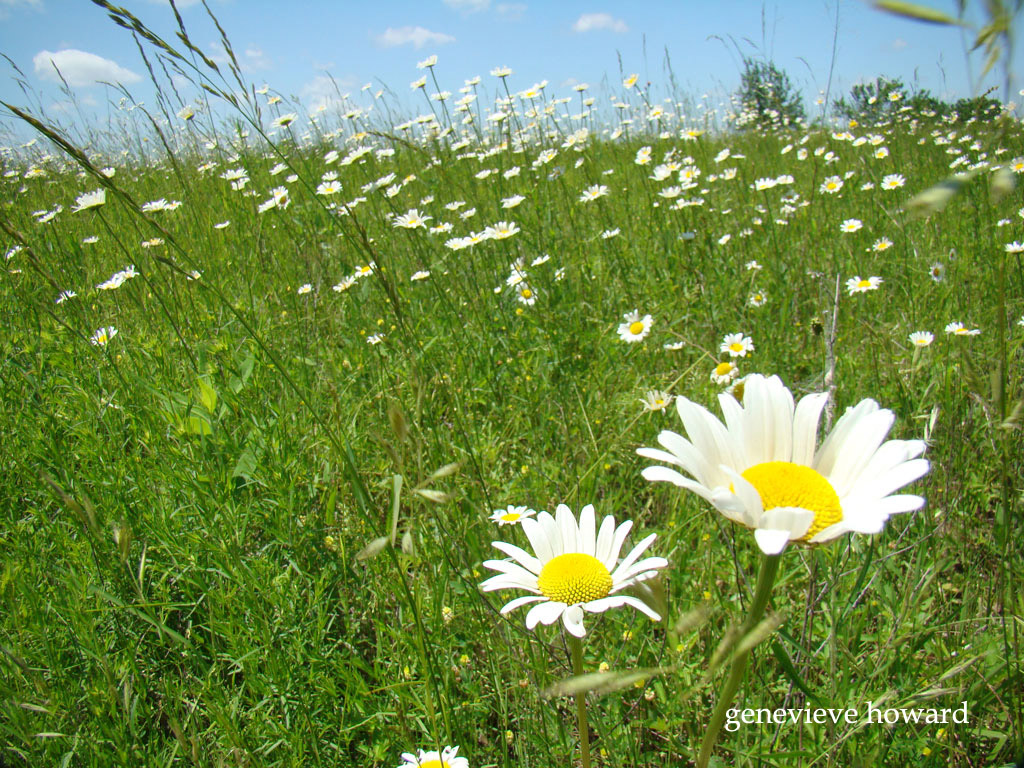
A person of zest and vitality is present. Older people are often happier because they know they don’t have much time left. They appreciate small moments—wild daisies next to road, the antics of a squirrel or a playful baby in the grocery cart in front of them. They let go of worry over insignificant things.
Wild daisies
The happiest people pay attention. As you slow down, your sense of time stretches out like a summer evening on the porch as the sun reaches across the pasture, brushing the grass seed heads with gold.
We often chase imaginary moments and conditional circumstances. When I am like this, then I will be like that. When I am thinner, I will be happy. When I am richer, I will be secure. When this is settled, then I can relax.
Be happy now. Feel secure now. Relax now. Don’t neglect the moment you already have. Live inside it, make it your home. Occupy it with your own sense of style. Deepen your experience.
Be silly
You might as well have the most fun you can in your last five years, right? Do you want a lack of embarrassment or stories to tell? As my friend Debbie does, make your own dance floor. Bring your own party.
Playfulness makes joy!
Name your places, things, actions
In your last five years, where would you go? Would you keep living where you are? Make a date to move if you’re not in the place you belong.
Is there someplace you want to visit? Set a travel date during the next five years.
What have you longed for that you don’t have—a talking parrot, a yacht with a chef or a beauty pageant crown? Right now, make a list of what you want but don’t have, and then write why you want it.
What do you need to do with your last five years? Are you doing the right work? What do you still need to learn or read or make? Write it down.
Will your spiritual practices sustain you as you face the end of your life? Make a note of what you need for strength and grace. Include notes on how you will pursue these practices.
The people of your life
Who do you need to see more of?
Who do you need to stay away from?
Pledge that you will surround yourself with only those who support your true self and you will avoid those who tear you down. I’m not saying to only be with those who agree with you. Conflict is natural. It’s good to be challenged by differences in perspective and personality. But protect yourself from those who hurt you and treat you as if you’re worthless. Your time is valuable. You are valuable.
What do you need to say? Make amends where needed. Put your heart in words to those you love.
Who needs time with you?
All the important people in your life will treasure more connection, more memories and more experiences with you.
Be with them. Bless them with your presence.
Live your life as if these are your last five years. Make it meaningful. Make it count.
He makes the winning touchdown and makes a gesture toward the sky, looking upward.
The band comes onstage to accept the gold award and says to the glamorous audience, “This is for the glory of God—praise Jesus!”
The child lives through a bout of double pneumonia and the good news goes out in text messages starting, “Praise God! He’s breathing on his own!”
I’m all for visible gestures of faith. It’s good and right to dedicate our successes to something higher than ourselves. We relate best as humble people rather than selfish, superior beings. I’m not against the gestures but I have to wonder, is it too easy to give praise when we feel blessed?
What is our praise worth if we give it when we’re feeling like winners?
The other side
Do we see the losing team thanking God, transforming their effort and the opportunity to play into a devotion?
How do we learn about the faith of artists who are never recognized publically but still use every fiber to express their human experience?
Can we still praise God during a late night in the pediatric intensive care unit when the child dies in the room next to the child who lives?
Is our praise conditional?
Losing
When I look at the course of my life, and the balance sheet between wins and losses, successes and failures, it would fall on the side of more losses and failures. Success is sweet but it takes many tries to get there. It lasts for only a moment.
There are the big losses—of a parent, relationship, pet or job—but many more small losses, daily losses, like a friend who disappoints you, a misunderstanding with your spouse before you leave for work or rejection where you wanted to belong.
Can we still give thanks and praise when our blessings aren’t obvious?
Do we trust God and give praise now for blessings we’ve had and blessings still to come?
I would like to be that kind of person, who opens my heart to grace in every moment. Let me live as a person who praises, rather than judges each situation as good or bad, worthy or unworthy of my gratitude. I want to wake up and see there is goodness and sweetness in the hardest of times.
I leave you with this prayer.
Help us smudge the line between praising and breathing
so our life becomes a song.
Let us give thanks in our losses.
Praise God! We’re in the game
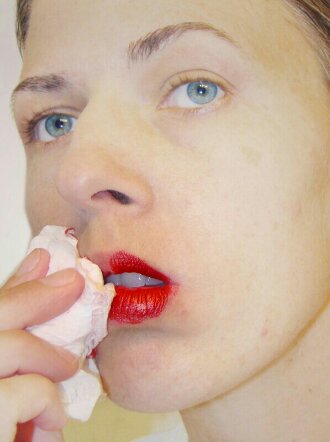
What if you lived with someone who said things like this to you a dozen times a day:
• You’re fat. You’re chunky. You’ve got blubber.
• Your clothes are boring.
• Your gray hairs make you look old.
• Your double chin looks like a waddle.
• Your skin looks disgusting the way it’s broken out.
• You’re wimpy without any muscles.
• You’re gross.
Would you want to be with that person? I wouldn’t! Yet we’re often stuck with messages like these in our own heads.
It breaks my heart to see how many attractive people don’t feel attractive. Inside they’re trapped in a cycle of self-criticism and comparison that can last for years.
How do we stop saying these things to ourselves?
We can change.
Our lives aren’t grand beauty contests that never end, unspoken competitions where we always feel like losers. At least they don’t have to be!
Here are two powerful ways to improve your situation: kindness to yourself and attention to others. No diets or makeup necessary!
Change the brain
Positive thinking about our self-image rebuilds our resilience to the daily onslaught of Photoshopped images. Instead of comparing ourselves to photos, we identify unrealistic expectations. We let go. We move on.
With a new mindset, we accept our looks with grace. The majority of our time on earth is spent in decline. Our physical powers peak in the 20s and then we have 50 plus or minus years to come to terms with that reality.
Ecclesiastes says, Remember your creator in the days of your youth, before the days of trouble come and the years draw near when you will say, “I have no pleasure in them.” The dust returns to the earth as it was, and the breath returns to God who gave it. Vanity of vanities, says the Teacher; all is vanity. (12:1,7,8)
Let’s go beyond the surface qualities of our flesh and look into our hearts.
Answer each negative thought with gratitude
For each nasty thought, say, “_______ is a blessing.” When you look in the mirror and think, “My body’s gross,” follow that thought with, “My body is a blessing.” As you work on this, the mean thoughts will wither away. You’ll feel at home in your skin. When you feel comfortable, you radiate sensuality.
I know this works from experience. I was a chronic critical thinker about my looks starting about the age of 10. Although my appearance today is faded compared to 20 years ago, my mind and self-image are healthier. I feel better now about how I look.
I stay away from those who make me feel ugly. I’m blessed to be married to someone who compliments me on my looks. I work on accepting his flattering words where I used to discount them!
Stop looking at yourself, focus on your ability
Have you ever let the physical stop you from achieving something, such as, “I can’t start a relationship until I look a certain way.” This is untrue! You can love and let yourself be loved today, regardless of how white or crooked your teeth are.
What we look like doesn’t matter as much as what we can do for others. Most people struggle with how they look. Help turn the tide of a bad cultural habit where we worship false images. Strengthen the people around you with specific compliments about what you notice, like “That teal shirt makes your eyes look vibrant!” Your words will give them a little boost of energy. We can see and celebrate one another’s true selves in all our blotchiness and glory.
When you give your full attention to someone, you gain a beautiful quality. Attention is more valuable than appearance. We all need acknowledgement more than we need to look at a lady with ten layers of makeup or a man who recently lost ten pounds. Care about others and they will glow in your caring.
Look more attractive instantly!
Kindness, confidence and vitality make everyone look better. Try it today and look more attractive instantly!
What do you do to quiet the negativity and enjoy your self-image more? Add your voice to the comments!

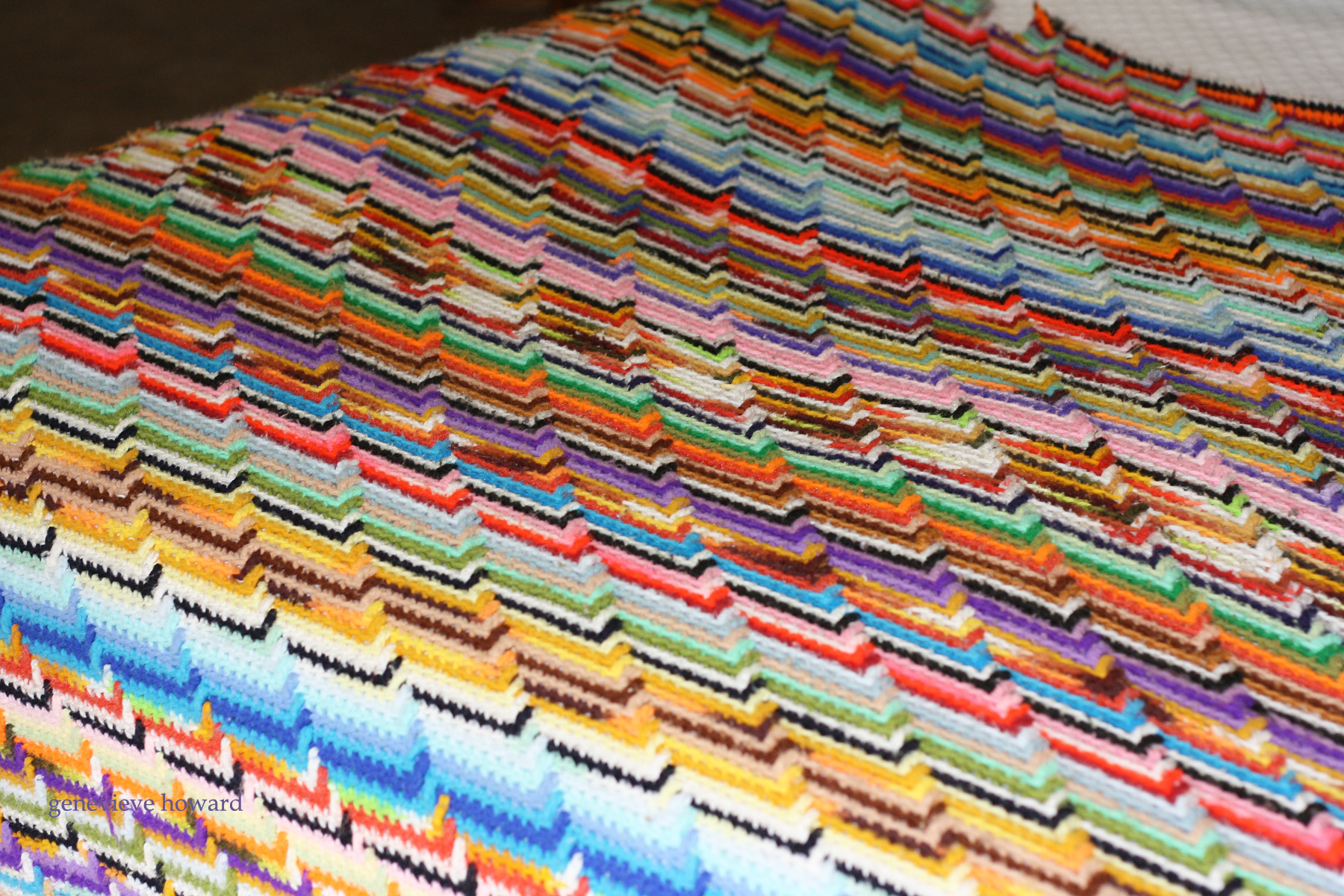 I saw this afghan while visiting my dad. It was the afghan of my childhood, thrown over the back of the couch or folded in the corner, biding its time for winter when it would be used again.
 I stretched it out to look at the stitches. Now that I crochet, I know more. I interpret the language of loops and understand hours of handwork. At first glance, I thought she had made spike stitches. When I looked at the back, I saw it was smooth. I realized she had done front post stitches, raised only on the front.
 I know little of my family history. I have no family afghan. But I’m bound to all those who care and have cared enough to create. Items carry our spirit if not our name.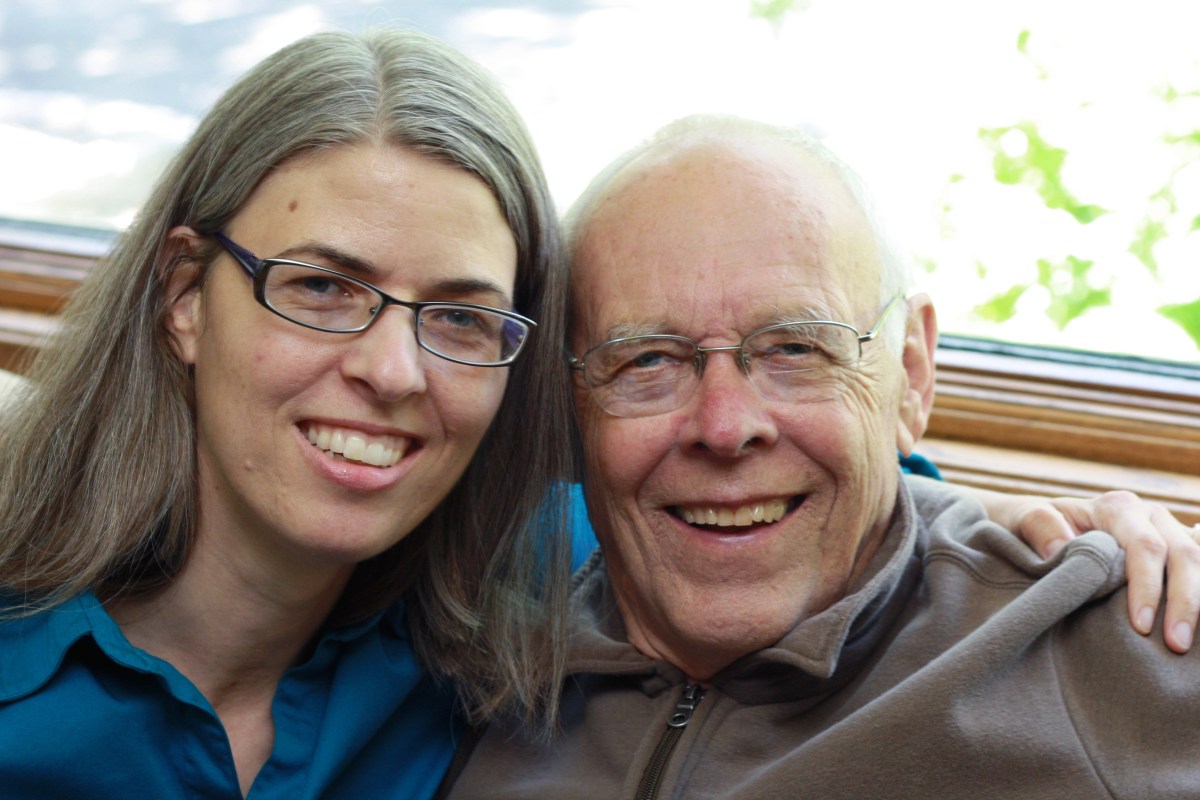






 Light to grow in; reflections by Genevieve Howard